R&D Focus
The Hidden Power in Pig Farms
The global swine industry generates billions of tons of wastewater annually. If left untreated, this waste can pollute waterways and cause excessive algae growth, and releases massive amounts of methane, a potent greenhouse gas with over 25 times the global warming potential of CO2. At ITRI, we see this as an energy opportunity. What if we could capture this methane to generate electricity?
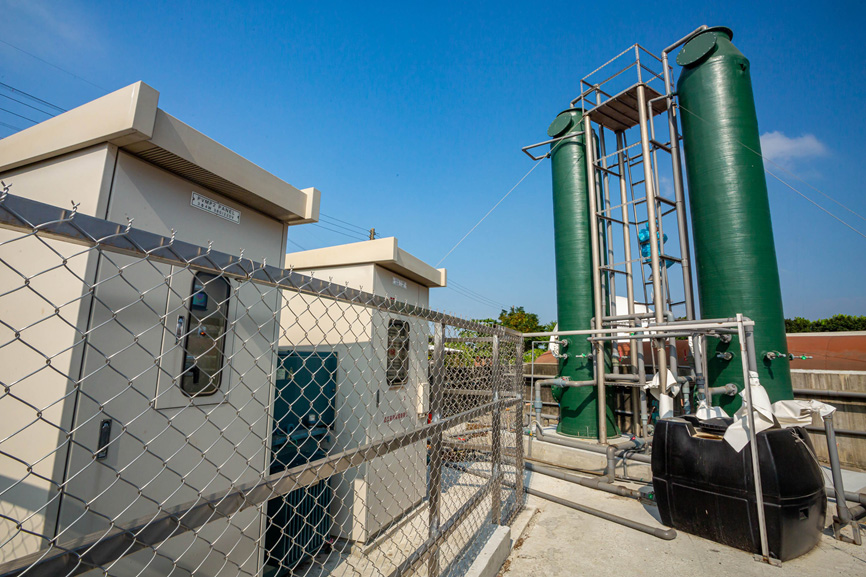
ITRI helps pig farms build methane-to-biogas systems that turn waste into energy.
The Key to Energy Recovery
The technical process for treating swine wastewater follows three stages: solid-liquid separation, anaerobic fermentation, and aerobic treatment. According to Chih-Chieh Lee, Deputy Division Director at ITRI’s Central Region Campus, the critical phase is anaerobic fermentation.
“In this stage, microorganisms break down organic matter in an oxygen-free environment, producing methane-rich biogas,” Dr. Lee explained. “Instead of letting the methane escape into the atmosphere, we capture it and use it to generate electricity. This both reduces harmful emissions and replaces fossil-fuel energy with a renewable alternative.”
Overcoming Barriers to Adoption
Despite the environmental advantages, high capital costs and technical complexity have deterred pig farms from adopting biogas systems. To overcome this barrier, ITRI began with sludge treatment.
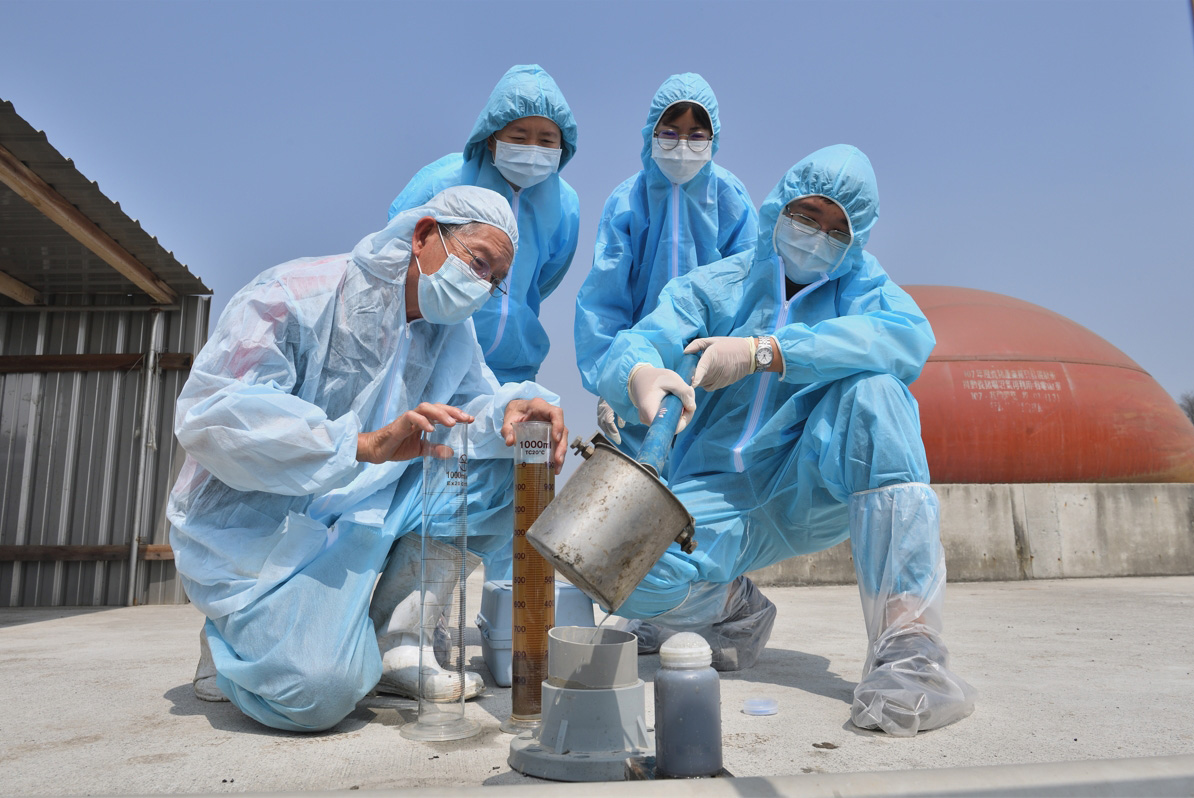
ITRI’s team uses swine sludge microbes to treat industrial wastewater.
Swine sludge contains diverse microbial communities capable of degrading toxins. “It’s like the probiotics in a human gut and can act as a biological agent to treat industrial pollutants such as ammonia nitrogen and suspended solids,” said Dr. Lee. “Our team screened the microbial profiles of various farms to find the best matches for industrial wastewater treatment in the petrochemical, textile, and optoelectronics sectors. We’re trying to transform waste into a valuable resource for industrial partners.”
This matching service solved the logistical and financial challenges of sludge disposal, lowering the barrier for farmers to commit to the subsequent installation of biogas power systems.
Scaling the Infrastructure
To move from individual pilot projects to a national scale, ITRI coordinated the integration of anaerobic digesters, desulfurization units, and power generation equipment. By vetting equipment providers and standardizing the process, ITRI helped establish a comprehensive supply chain for the industry.
The results are measurable. In 2025, Taiwan’s swine-based biogas capacity reached 8.56 MW—enough to power about 14,645 households, and reduce annual carbon emissions by more than 85,487 tons.
Industrial-Agricultural Partnership
By helping pig farmers transition from waste producers to green energy contributors, we are developing a circular economy model that balances environmental management with economic viability. This new industrial–agricultural cooperation framework allows large firms to fund biogas infrastructure on pig farms to meet strict carbon regulations. In return, the firms receive green energy and carbon offsets, while farmers benefit from modernized waste treatment and shared revenue.
This systematic approach to bioenergy has potential applications beyond Taiwan. ITRI is currently exploring the export of these integrated solutions to Southeast and South Asia, offering a scalable model to help the livestock sector contribute to reaching global net-zero targets by 2050.